I have always wanted to know the difference between loneliness and solitude. Growing up in a Buddhist family, I have always been told to seek solitude, but the ideology that I grew up with made me believe that it created loneliness instead. The way you reach solitude, I have been told, is through detachment, which allows you to achieve a neutral state of mind. However, if we detach ourselves from everyone and everything, wouldn’t we feel lonely? Despite having thought that, and despite not being able to detach as well, I was still lonely, which made me decide to take on this thesis and go to the meditation center to further develop my thesis research.
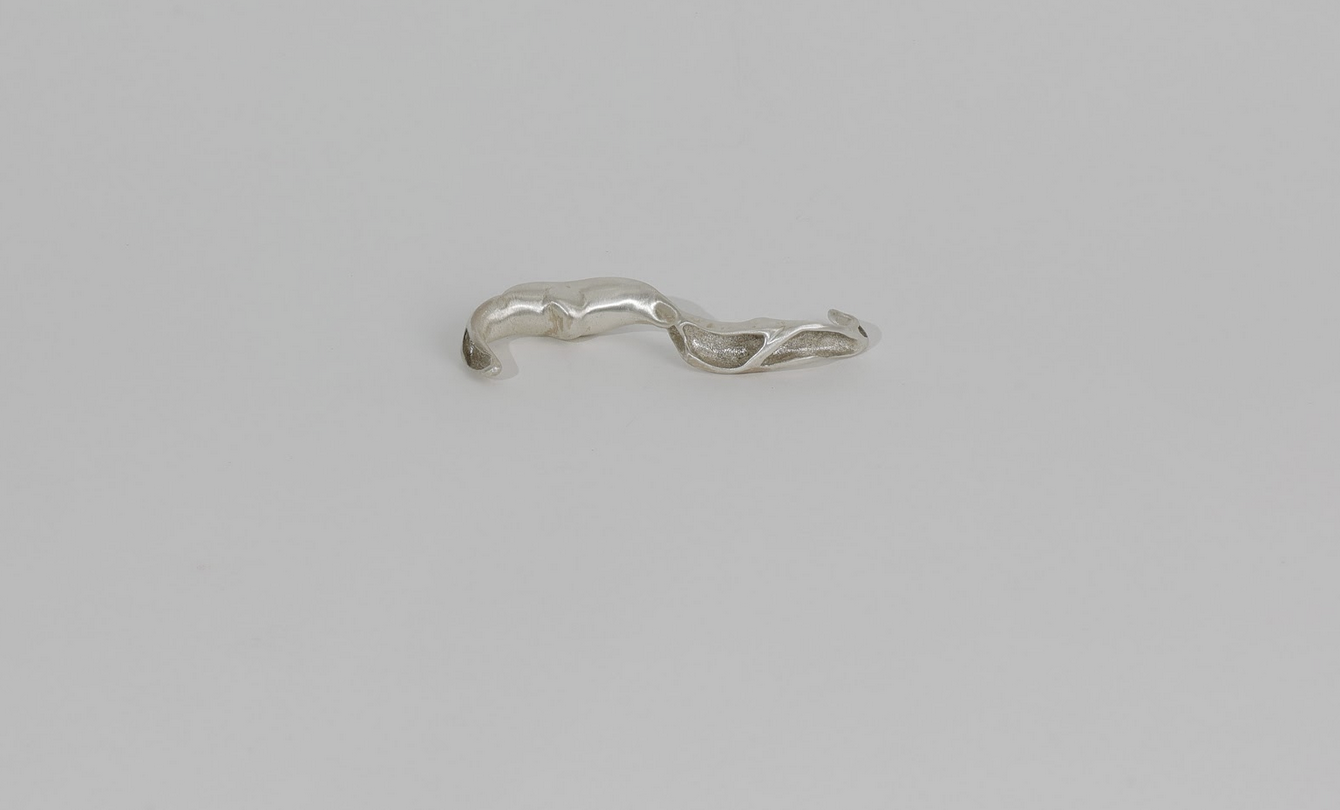
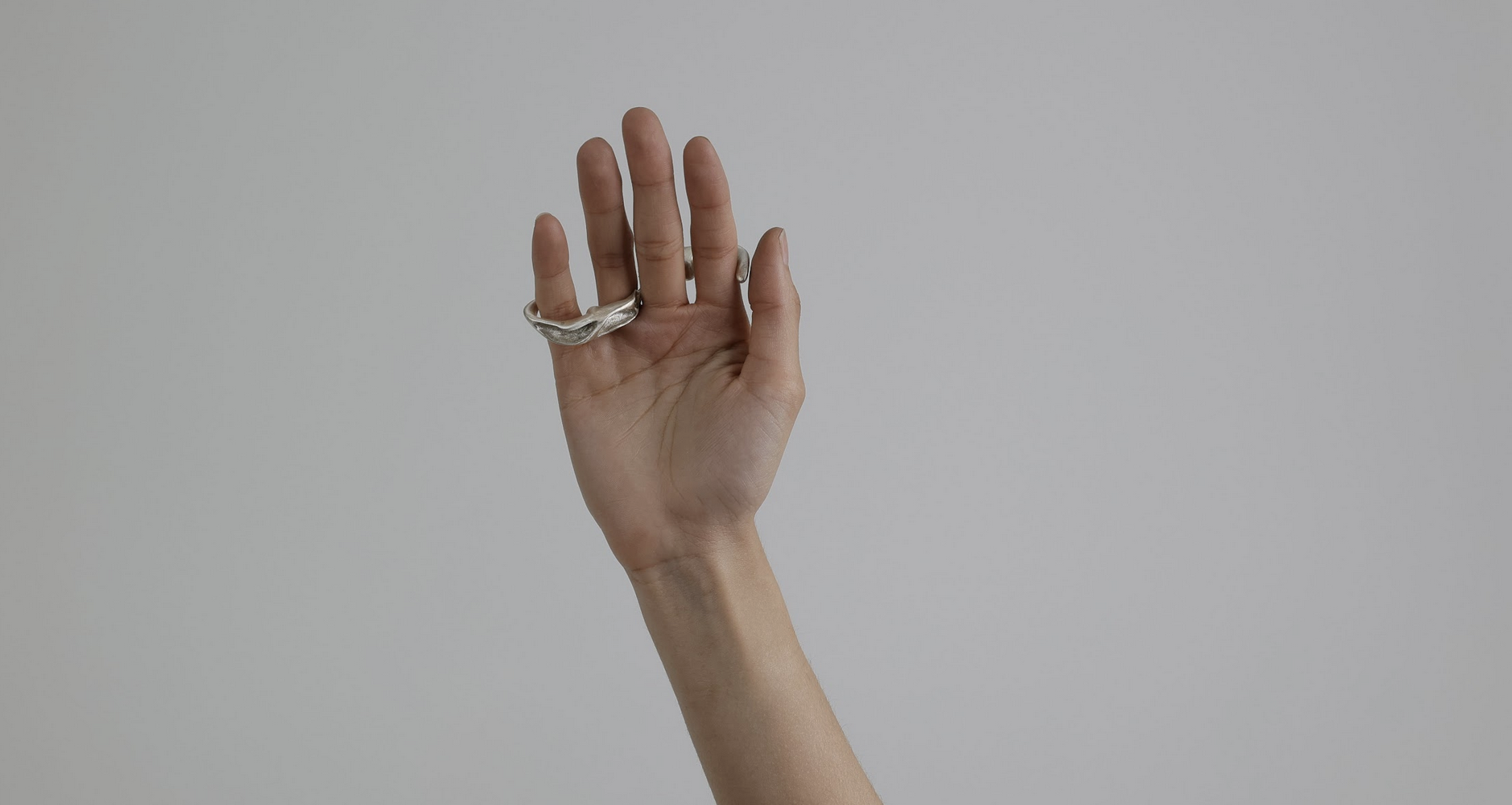
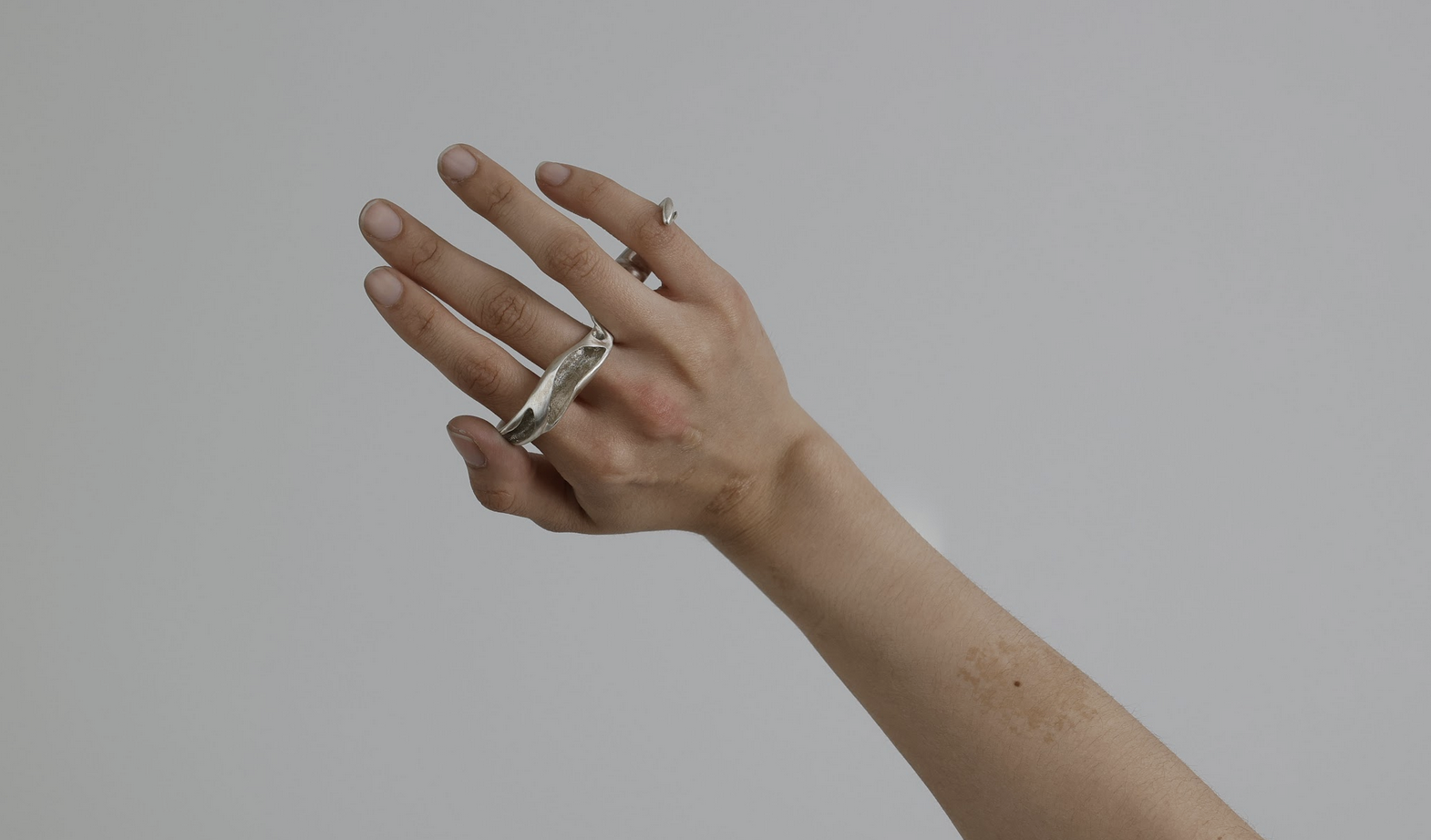
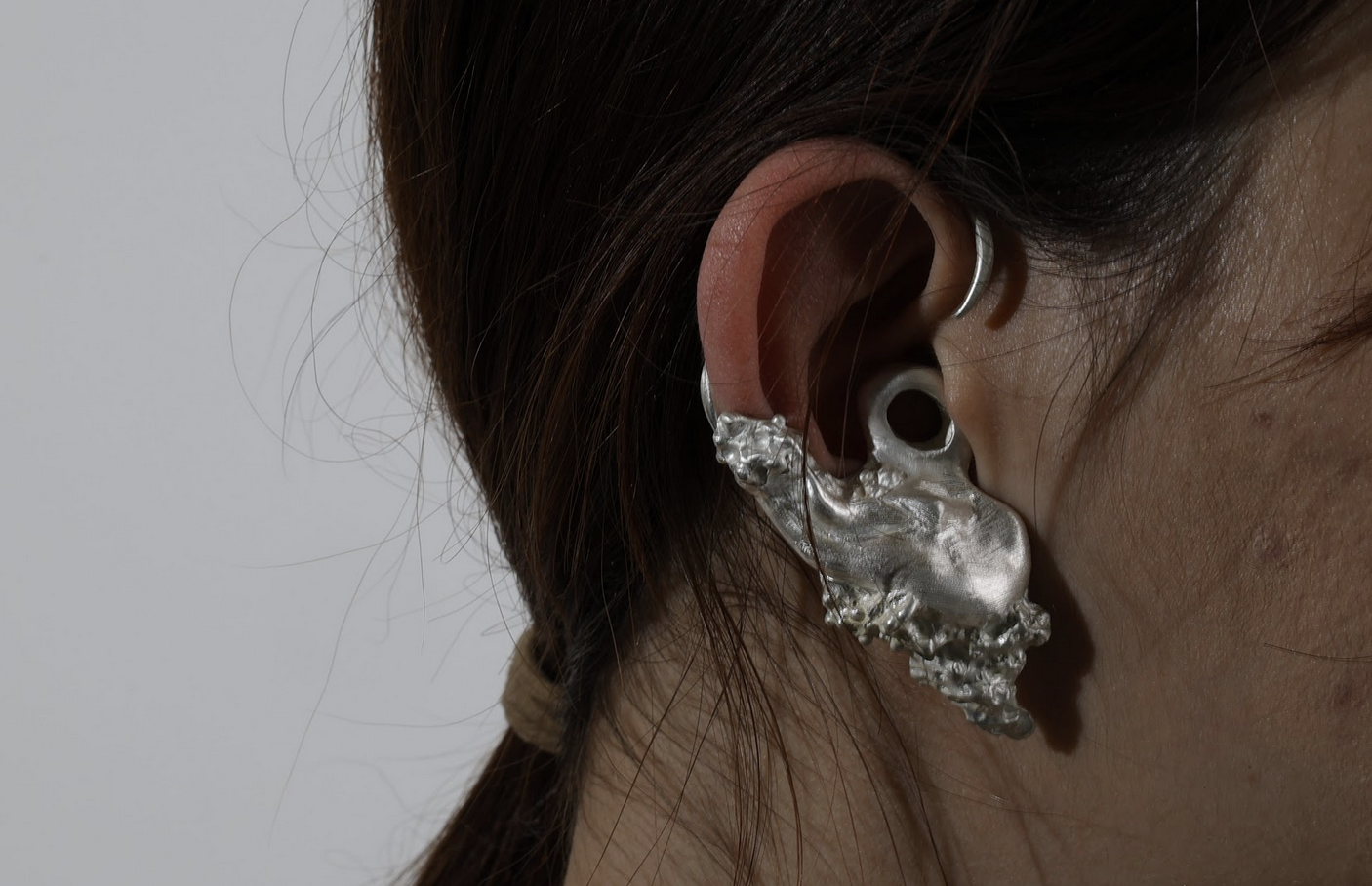
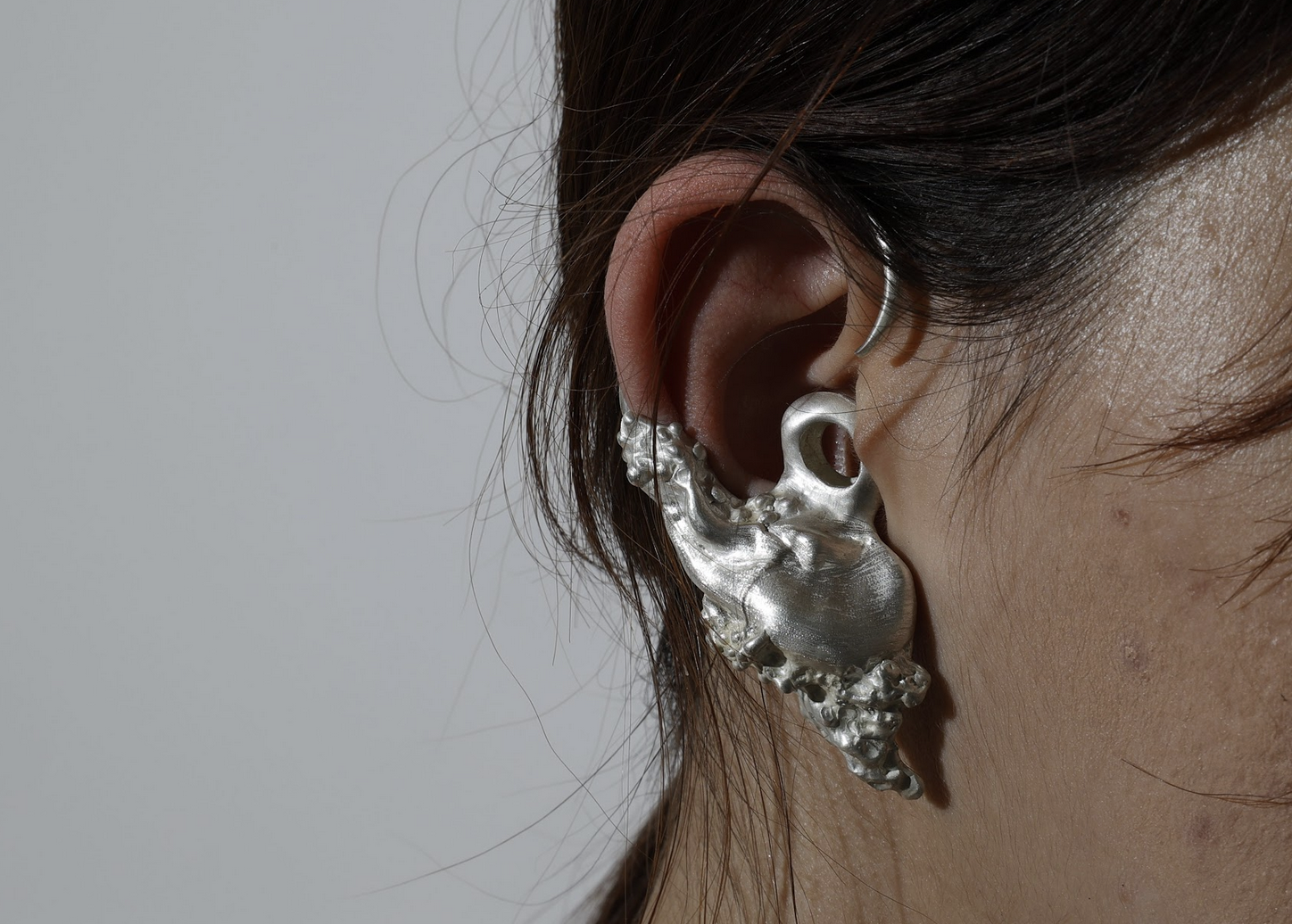
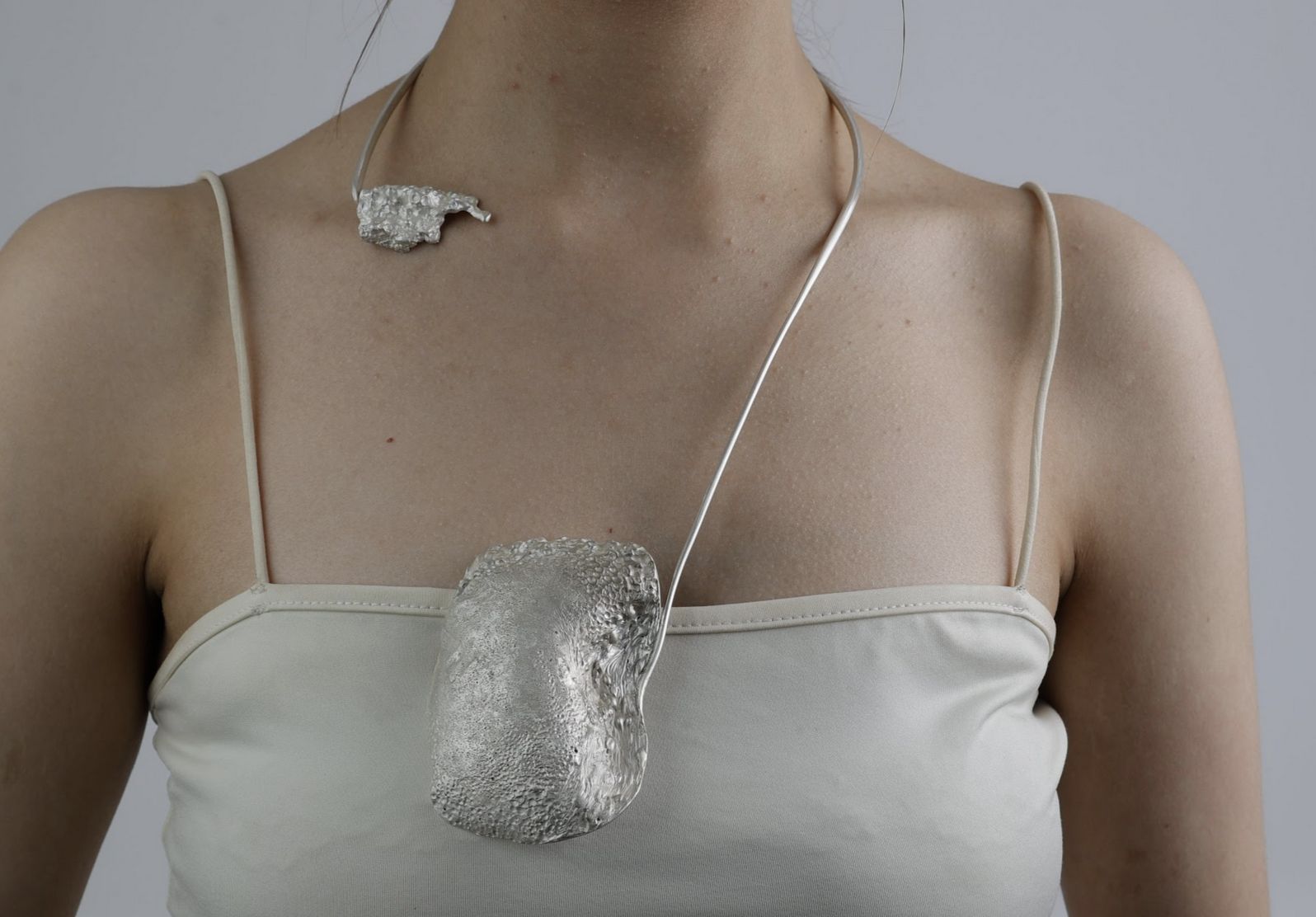
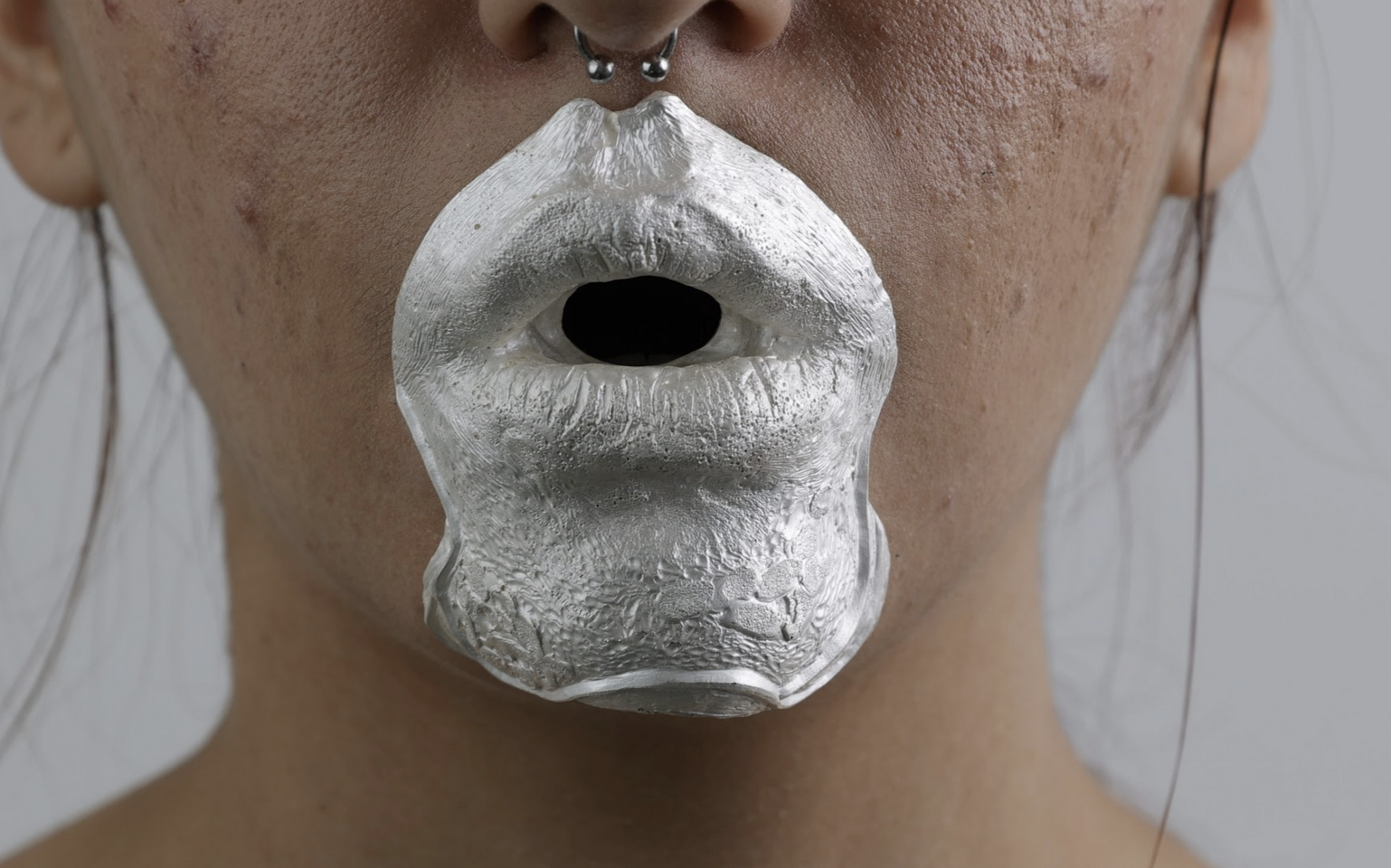
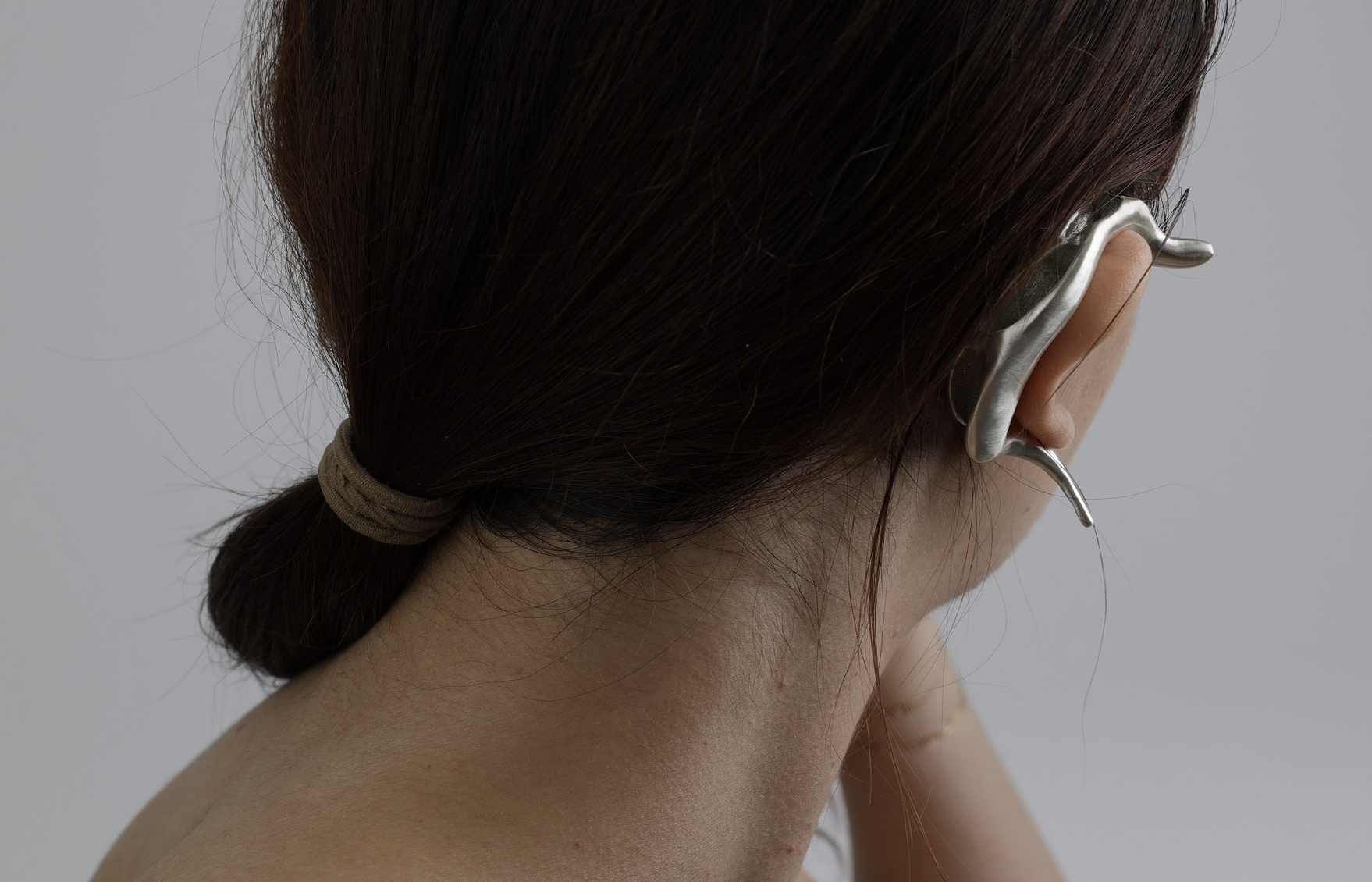
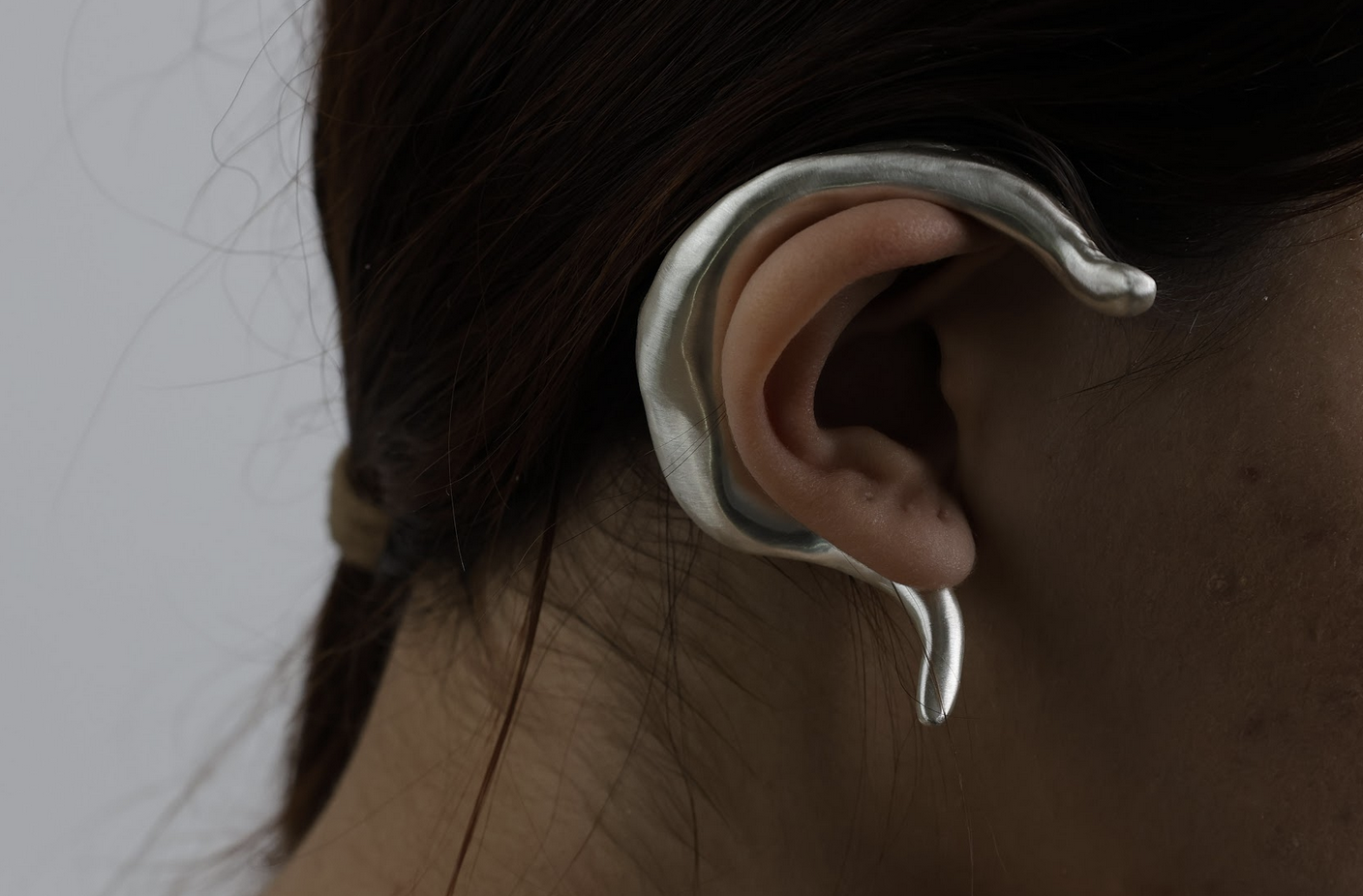
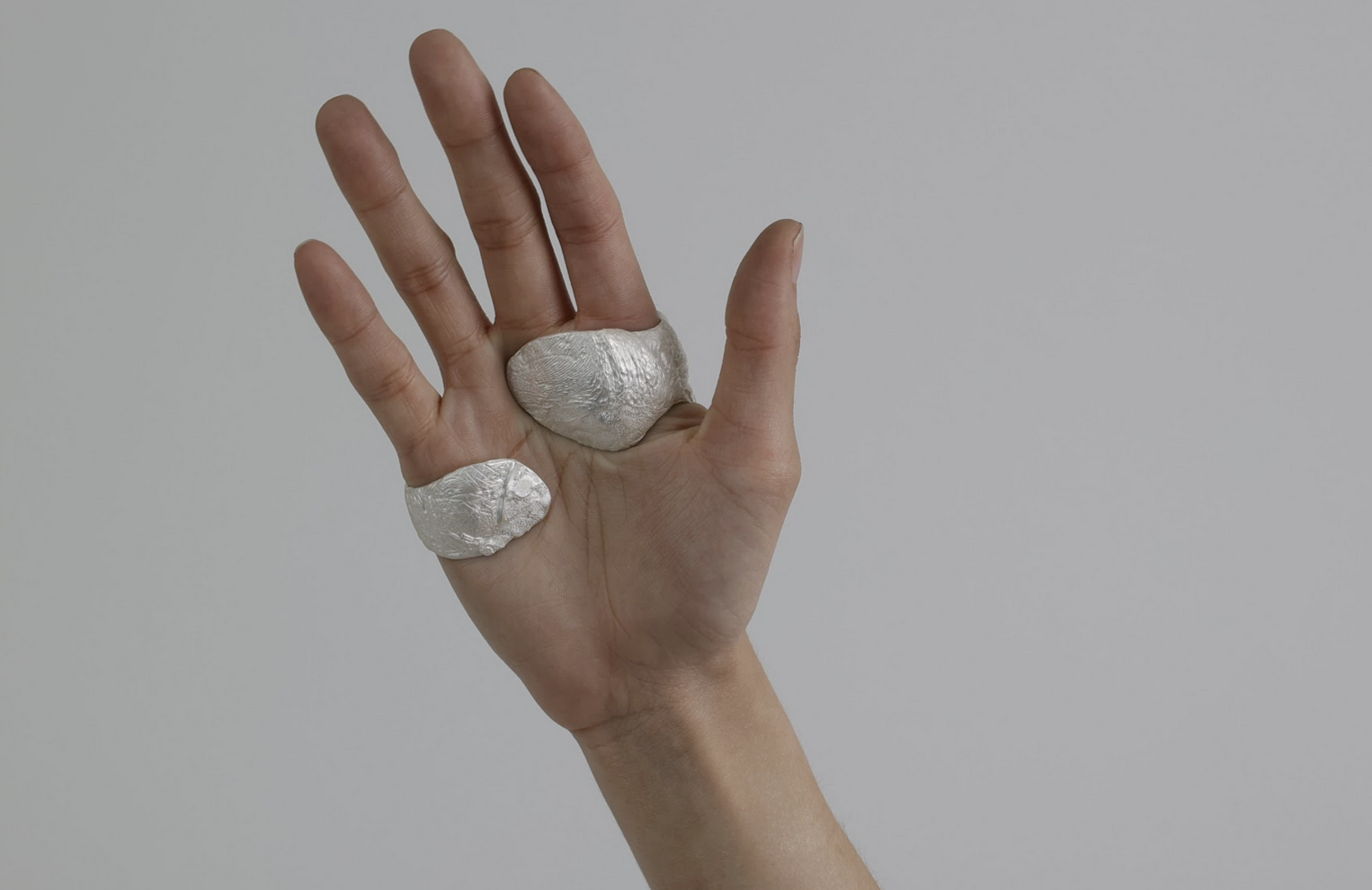
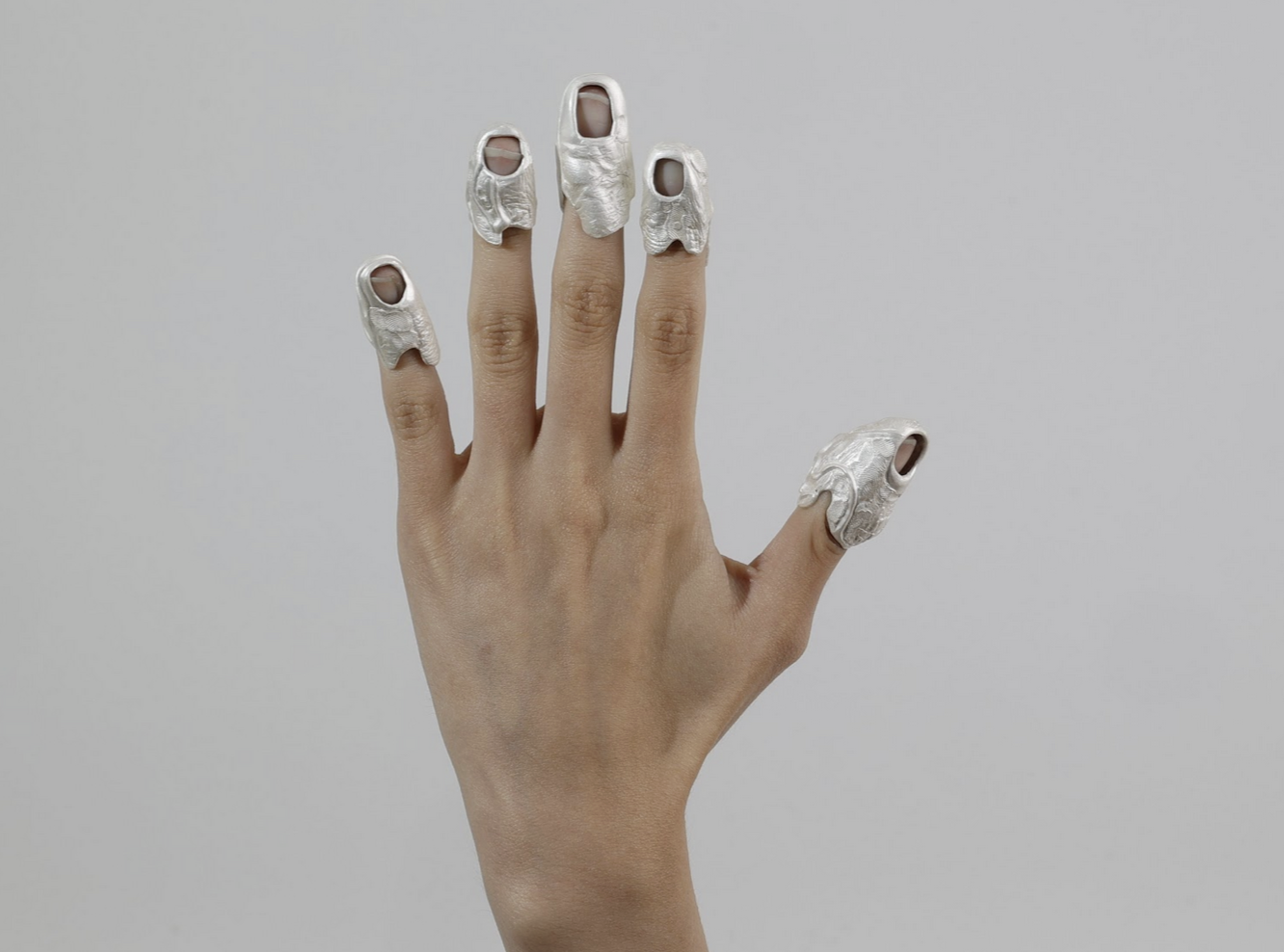
I finally understood the difference between loneliness and solitude through the framework of my own body. Loneliness is there because of attachment, because of anticipation and expectation. Achieving solitude is losing anger, greed, hatred as well as craving. I translated the same ideology on the jewelry that I make, where I observe the way the metal breathes and flows, carving itself onto the indents of my body; observing the way it has been and flowed— translating how my body felt with sensations, and understanding how the metal reacts, and combining them together into jewelry where it is part of the body.
During this retreat, I experienced acute bodily awareness— of my breath, of the present and my presence. I observed areas of intense and subtle sensation (the good and bad) alongside “blank” zones where nothing could be felt. I experienced understanding that everything is impermanent like the sensations, and that this sensation too shall pass. I experienced Anitya. These embodied experiences became central to my making process.
Experimentation through life-casting allowed me to capture both skin textures and representations of sensations I felt on my body during meditation. Through these processes, my work seeks to materialize the shifting boundary between loneliness and the achieved state of solitude.